
Does Online GCSE Maths Tutoring Work?
Yes — online GCSE Maths tutoring can work. But research suggests that the important question isn't whether the tuition happens online or face-to-face. It's the quality of the tutoring.
How does GCSE Maths compare to when I was in school?
I often hear parents say, ‘maths in school now seems so much harder than when I was young’. Well, there may just be some truth in that. In 2015 significant changes were made to the Maths GCSE. This saw an increase in crossover between Foundation and Higher Tier qualifications and placed more emphasis on problem solving. For the first time, Foundation Tier students would have to contend with multi-step problem solving questions, previously reserved for their Higher Tier counterparts. In simple terms, the qualifications became more demanding, particularly in the emphasis placed on problem solving.
Over a quarter of students nationally fail to achieve a ‘good pass’ in maths and many particularly struggle with the problem-solving element of the exams. Problem-solving questions force students to not only recall their subject knowledge but apply it to new and unique scenarios. Research into one-to-one tuition has generally found positive effects on pupil attainment. The Education Endowment Foundation estimates an average impact of around five months' additional progress across its evidence base, although the effect varies considerably between subjects and studies. Research specifically examining private tuition has also found a positive association between tuition and GCSE Maths attainment. However, it is important to be cautious about these findings. Much of the research into private tuition is observational, meaning that it is difficult to know how much of the improvement was caused by the tutoring itself.
How do I choose a tutor?
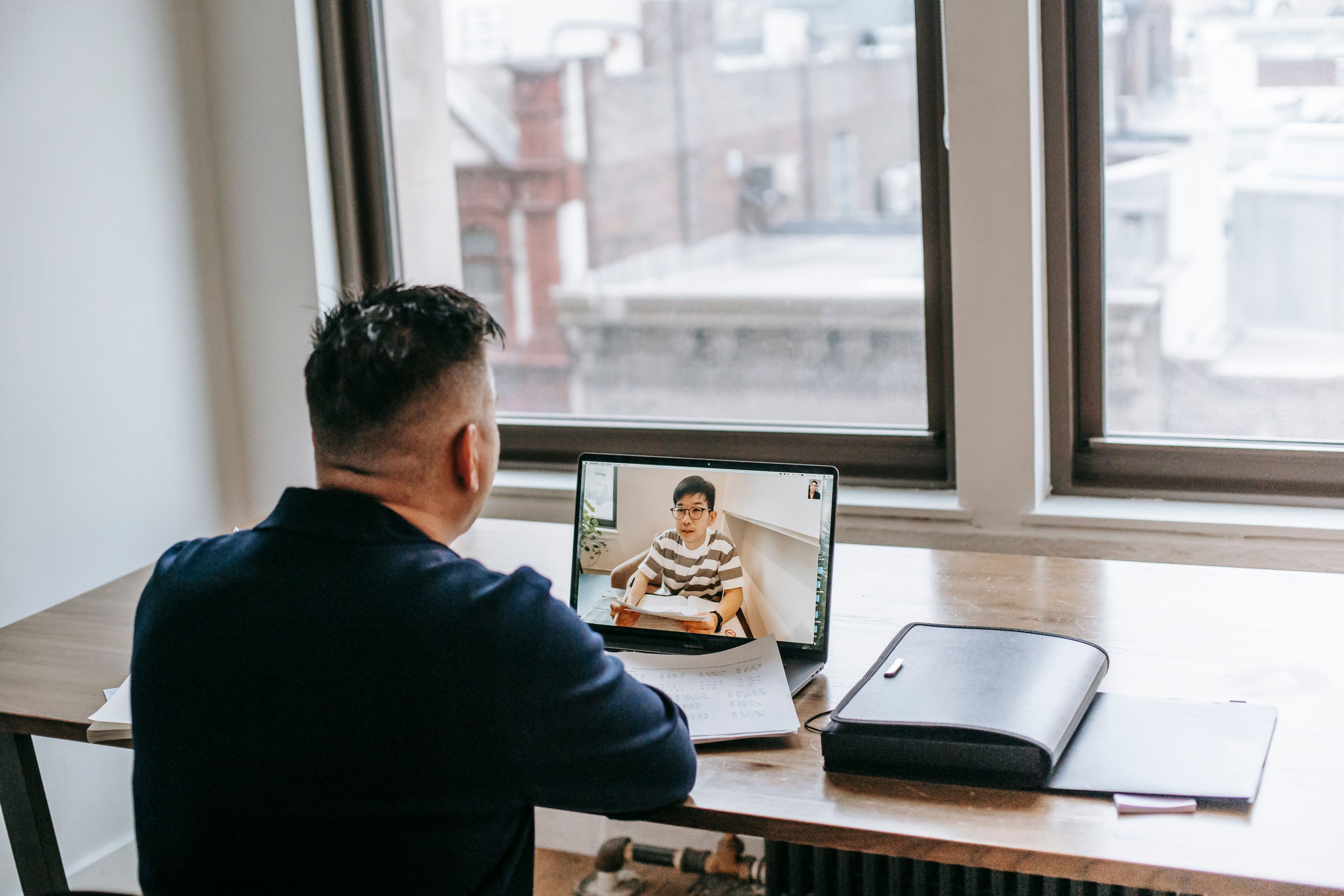
Okay, so have looked at the evidence and decided that a tutor is for you. Now you need to decide whether to go for an in-person or online tutor. Online tutors can often be cheaper, more flexible and easier to schedule into busy timetables. Online tutoring can also offer some advantages for Maths specifically. A good digital whiteboard allows the tutor and student to work through problems together, with the tutor able to see the student's working in real time. Past papers, diagrams and other resources can also be shared instantly. However, simply putting a traditional lesson onto a video call doesn't automatically make it effective.
There is evidence that online tutoring can be an effective form of academic support, particularly when it is interactive and personalised. However, research does not suggest that the delivery method alone determines effective. Instead, the quality of the tutor, the interaction, the feedback and the individualisation of the teaching are likely to be much more important factors.
The evidence suggests that the quality of the tutoring is likely to be more important than whether the lesson takes place online or face-to-face. So, what should we look for to ensure we get the best chance of choosing the right tutor? Here are 5 simple checks:
- Do they hold Qualified Teacher Status (QTS)? QTS isn't essential to being an excellent tutor, but it does demonstrate that the tutor has completed recognised teacher training and met the professional standards required to teach in England.
- Do they have experience teaching GCSE Maths? Teaching GCSE Maths isn't simply about knowing the mathematics. An experienced tutor should understand the GCSE specifications, common misconceptions, question styles and the demands of the examination.
- Are they passionate? You want a tutor who is passionate about the subject and more importantly passionate about supporting others to understand it. I have met many teachers with outstanding subject knowledge who struggle to convey it effectively to students.
- Can they personalise material? The best tutors don't simply roll out the same lesson every week. They identify gaps in a student's understanding and adapt their teaching accordingly. Ask a prospective tutor how they assess what your child needs and how they plan future sessions around those needs.
- Do they have appropriate DBS clearance? Keeping students safe should always be priority number one. For peace of mind, ask the tutor about their DBS status and make sure appropriate safeguarding checks are in place.
So, does online tutoring for GCSE Maths actually work?
The evidence suggests that it can. But the most important factor isn't whether the lesson takes place around a kitchen table or on a computer screen. Effective tutoring is personalised, well planned and responsive to the individual student's needs.
For parents choosing a tutor, the question therefore shouldn't simply be "Online or face-to-face?" Instead, ask "Will this tutor understand my child's needs and adapt their teaching to help them improve?"